

Polyethylene Foam Sheets
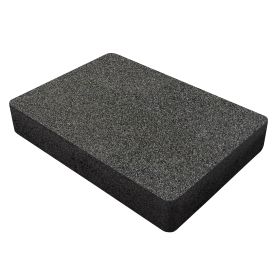
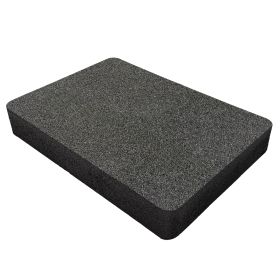
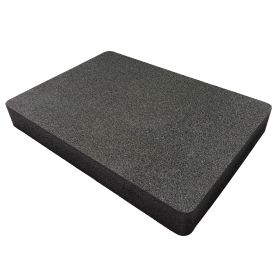
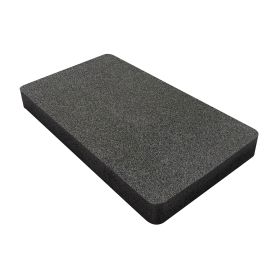
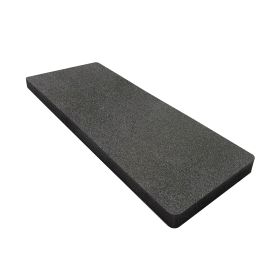
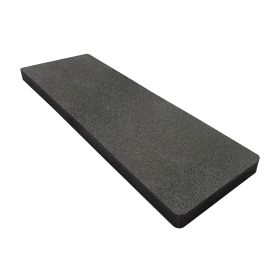
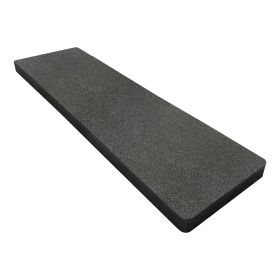
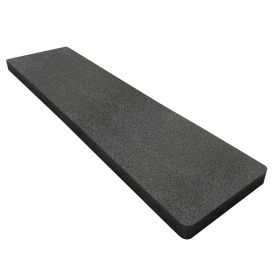
RAGAR polyethylene foam sheets are solid, uncut pads of XLPE – cross-linked polyethylene foam – sized to drop straight into popular hard cases. Cut them to the shape of your gear for a custom insert, stack them as solid base layers, or use them as protective padding for tools, electronics and equipment.
XLPE Foam Sheet Specifications
- Material – XLPE cross-linked polyethylene, a closed-cell PE foam
- Density – 2 lb
- Thickness – 1" and 2" sheets
- Finish – solid and uncut, ready to cut with a sharp blade or hot knife
Polyethylene Foam Sheet Sizes
| Sheet size | Fits cases such as |
|---|---|
| 12" x 9" | Pelican 1400, Eylar SA00001 |
| 15" x 10.5" | Pelican 1450, Apache 3800, Eylar SA00035 |
| 17.75" x 12.5" | Pelican 1520, Apache 4800, Eylar SA00002 |
| 19.75" x 11.75" | Pelican 1510, Apache 5800, Eylar SA00034 |
| 35.75" x 13.5" | Pelican 1700, Eylar SA00013 |
| 41.75" x 13.5" | Pelican 1720, Eylar SA00008 |
| 46" x 13.5" | Eylar SA00014 |
| 50.5" x 13.5" | Pelican 1750, Apache 9800, Eylar SA00015 |
Why Cross-Linked PE Foam
- Closed cell – PE foam sheets do not absorb water, oil or solvents the way open-cell foam does.
- Clean to cut – cross-linked polyethylene cuts with smooth walls and holds a pocket’s shape.
- Firm and resilient – it cushions impact without crumbling or shedding.
How to Cut Polyethylene Foam Sheets
- Lay out your gear on the sheet with at least 1" of foam between items and around the edges.
- Trace each item with a white pencil or chalk, holding it vertical.
- Cut in shallow passes with a hot knife or a long, very sharp blade kept upright. Cross-linked PE foam gives clean walls when the blade stays vertical.
- Stack a solid sheet underneath to create a flat pocket floor, and add finger-pull notches where you lift items out.
PE Foam vs Polyurethane Foam
| Closed-cell PE (XLPE) foam sheets | Open-cell polyurethane foam | |
|---|---|---|
| Water and oil | Does not absorb | Soaks up liquids |
| Shape over time | Firm, holds a cut pocket | Softer, compresses and crumbles |
| Cutting | Clean vertical walls | Tears and rounds off |
| Best for | Custom case inserts, tools, firearms, electronics | Soft cushioning, egg-crate lid liners |
Want It Cut for You?
Skip the knife work: we CNC-cut custom foam inserts from closed-cell foam for any case. Cutting your own? See how to cut foam for a case. Prefer foam you never have to cut? Try RAGAR reconfigurable foam.