

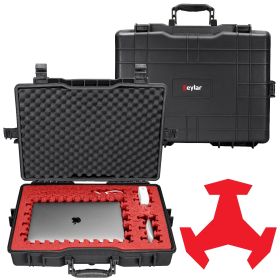
Tool Box Foam Inserts – Custom Foam for Tool Chests & Cases
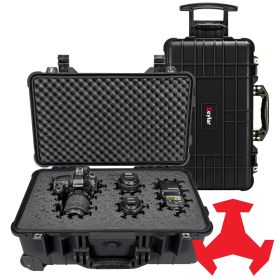
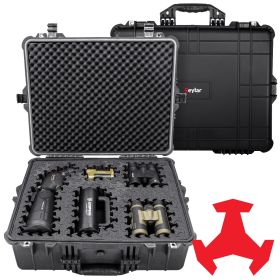
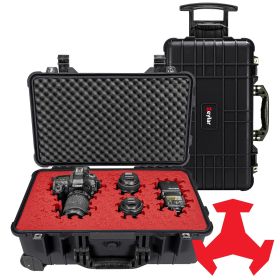
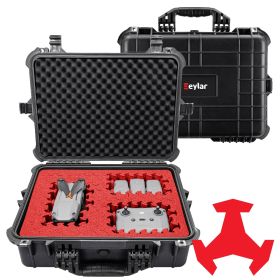
Loose tools destroy each other in transit. RAGAR tool foam inserts give every wrench, meter and driver its own cavity — and when the kit changes, you rebuild the layout in minutes instead of buying new foam.
Why RAGAR Beats Cut-Once Tool Box Foam
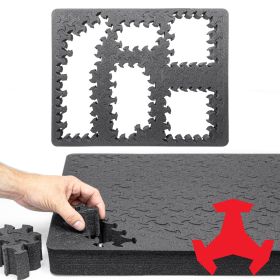
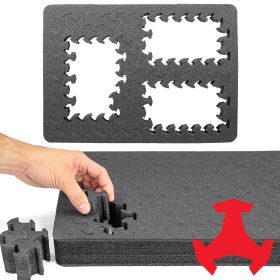
- Reconfigurable, not disposable: interlocking blocks lift out and drop back in, so one insert serves a kit that keeps evolving. Cut-to-shape tool foam is a one-time decision.
- No cutting, no template: build a cavity around a tool by removing blocks — no knife, no hot wire, no measuring.
- XP crosslinked closed-cell foam: dense and non-absorbent, so it resists solvents and oil instead of soaking them up like open-cell foam.
- Works as a tool box organizer: shadow every tool so a missing one is obvious at a glance.
Foam for Tool Boxes — Available Sizes
- 17.75" x 12.5" – compact hand-tool kits, meters and test equipment.
- 19.75" x 11.75" – carry-on tool cases and pistol-grip power tools.
- 21.75" x 17" – large tool chests, drills and multi-tool layouts.
- 35.75" x 13.5" and longer – extended-reach tools, levels and survey gear.
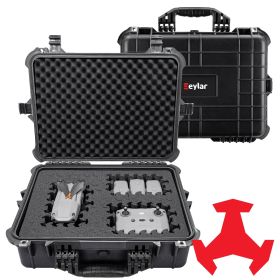
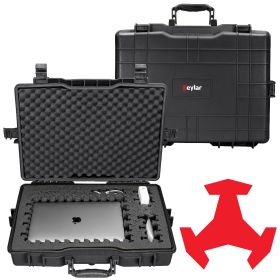
Every size ships as a standalone insert or already fitted inside a hard case. To choose, measure the interior length and width of your tool box and match it above.
Which Tool Box Foam Insert Do You Need?
- Kit that changes – a RAGAR reconfigurable insert from the sizes above. Pull blocks for today’s tools, put them back when the kit changes.
- Cut your own shadow foam – an uncut XLPE foam pad in the same footprints. Trace the tools, cut the pockets with a hot knife, done. See shadow foam explained.
- Fixed kit, exact pockets – CNC-cut custom foam inserts for any tool box, chest drawer or case, laid out in the online foam designer or from a photo of the tools.
- Milwaukee PACKOUT – pre-cut and uncut PACKOUT foam inserts for the 48-22-8435 organizer in stock, and a replacement foam insert for the 48-22-8450 PACKOUT tool case.
Tool Chest Drawer Foam Inserts
Chest drawers are shallow — usually 2" to 3" of usable depth once the drawer above is closed — so tool chest foam inserts are built in two layers: a thin solid base and a pocket layer cut to the tools. Measure the inside of the drawer, not the front, and subtract 1/8" on each side so the insert drops in without buckling. Rolling cabinets and portable boxes follow the same rule. Step by step in tool box foam: how to measure, cut and fit it.
Custom-Cut Tool Box Foam & Guides
Need a shadowed insert cut to a fixed tool set? See custom foam inserts for Milwaukee PACKOUT boxes and drawers, DeWalt ToughSystem foam inserts or custom foam cutting for any case. Stocking the PACKOUT compact organizer? See Milwaukee PACKOUT foam inserts.
Not sure which foam to use? Read tool box foam inserts: which type, thickness and density, then how to measure, cut and fit tool box foam, or compare shadow foam vs Kaizen foam.
Tool Box Foam FAQ
How thick should tool box foam inserts be?
Thick enough that the tallest tool sits just below the top of the foam, plus a thin base layer. For a 2" drawer that is usually a 1.5" pocket layer over a 1/2" base. Density and thickness by tool weight are covered in the tool box foam inserts guide.
Does tool foam soak up oil and solvents?
Closed-cell XLPE foam does not. Oil, coolant and brake cleaner wipe off the surface instead of soaking in, which is why open-cell packing foam fails in a tool box within months.
Can you cut foam inserts for a Milwaukee PACKOUT tool case?
Yes. The 48-22-8435 compact organizer has pre-cut inserts in stock, and the 48-22-8450 tool case gets a replacement insert CNC-cut to its interior. Other PACKOUT boxes and drawers are cut to order.
Milwaukee and DeWalt are trademarks of their respective owners. RAGAR is not affiliated with or endorsed by these brands; model numbers are used only to describe compatibility.